About the Initiative
Independent research driving concrete proposals for Lithuanian autonomous defense capability in the drone warfare era.
Mission
The Baltic Defense Initiative aims to propose practical and operational defense initiatives to ensure Lithuania's full sovereignty. Every initiative is grounded in battlefield-proven systems and strategies — technologies and tactics that have demonstrated real effectivenes.
Dr. Thiébaut Devergranne
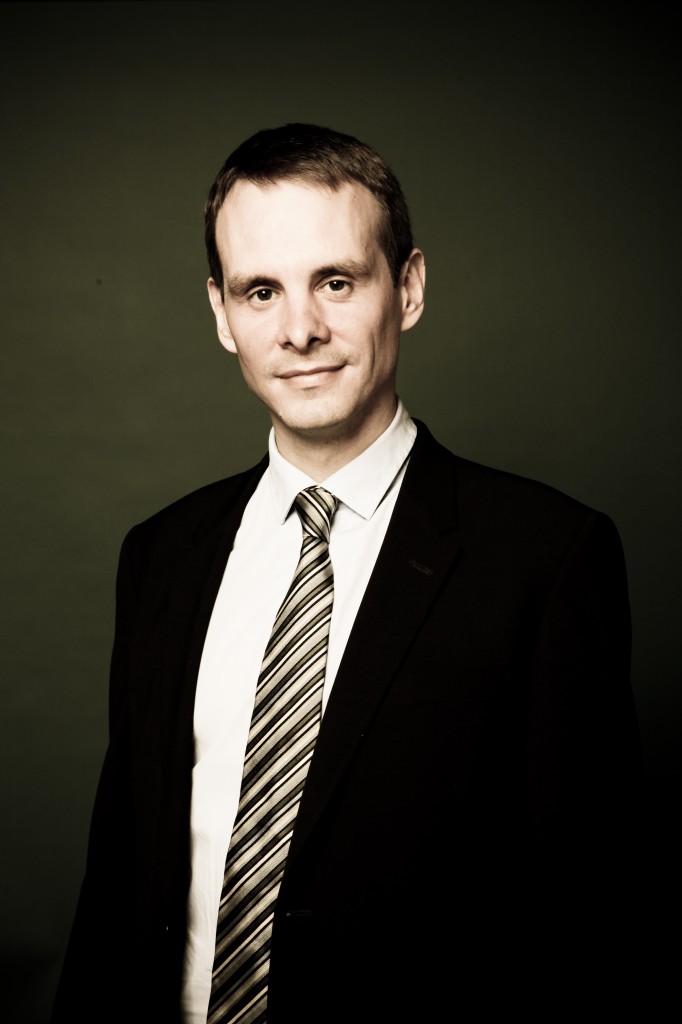
Dr. Thiébaut Devergranne served six years within the French Prime Minister's defense apparatus (SGDSN) as legal counsel on national security matters, also participating in G7/G8 negotiations.
Having lived in Lithuania for over a decade, he witnessed firsthand the gap between France's defense structure and Lithuania's co-dependency posture.
The Baltic Defense Initiative emerged from that perspective — to propose practical defense initiatives that work, and a real model of deterrence that guarantees unbearable costs to an aggressor that would challenge Lithuania's sovereignty. The approach follows France's model, requiring the same level of investment - as a the same share of GDP - that France committed to secure its own independence.
Methodology
Evidence-Based Analysis
Every initiative proposed is grounded in operational evidence. We look at systems that work all around the world and propose adaptations to Lithuanian conditions.
Expert Knowledge Extraction
We systematically monitor and analyze content from hundreds of defense experts, military analysts, and practitioners with direct knowledge of modern warfare. This includes Ukrainian military personnel, Western defense analysts, and regional security specialists.
Structured Initiative Framework
Each initiative follows a comprehensive framework covering problem statement, operational proof, technical approach, Lithuanian application, implementation plan, resource requirements, and stakeholder mapping. This ensures proposals are actionable, not abstract.
Threat Scenario Modeling
We develop detailed threat scenarios based on observed adversary capabilities and tactics. These scenarios stress-test current defenses and identify capability gaps that our initiatives address.
Data Sources
Our analysis draws from multiple source categories:
- Open-source intelligence (OSINT) from Ukrainian and international analysts documenting battlefield conditions
- Expert commentary from military professionals, defense industry specialists, and academic researchers
- Official sources including government statements, defense ministry publications, and NATO documents
- Technical specifications from manufacturers, procurement documents, and industry publications
- Conflict documentation including verified footage, damage assessments, and after-action reports
All sources are evaluated for reliability and cross-referenced where possible. We distinguish between confirmed facts, reasonable assessments, and speculation.
Get Involved
The Baltic Defense Initiative welcomes collaboration from defense professionals, researchers, policymakers, and technical experts. If you have expertise to contribute or would like to discuss our research, we'd like to hear from you.
This is an independent research initiative. We are not affiliated with any government, political party, or defense contractor.
Contact Us